
Discover London
- About 8.9 million residents in Greater London (over 9.6 million in the wider metropolitan area)
- England / Greater London
- GMT/BST (UTC+0 / UTC+1)
History
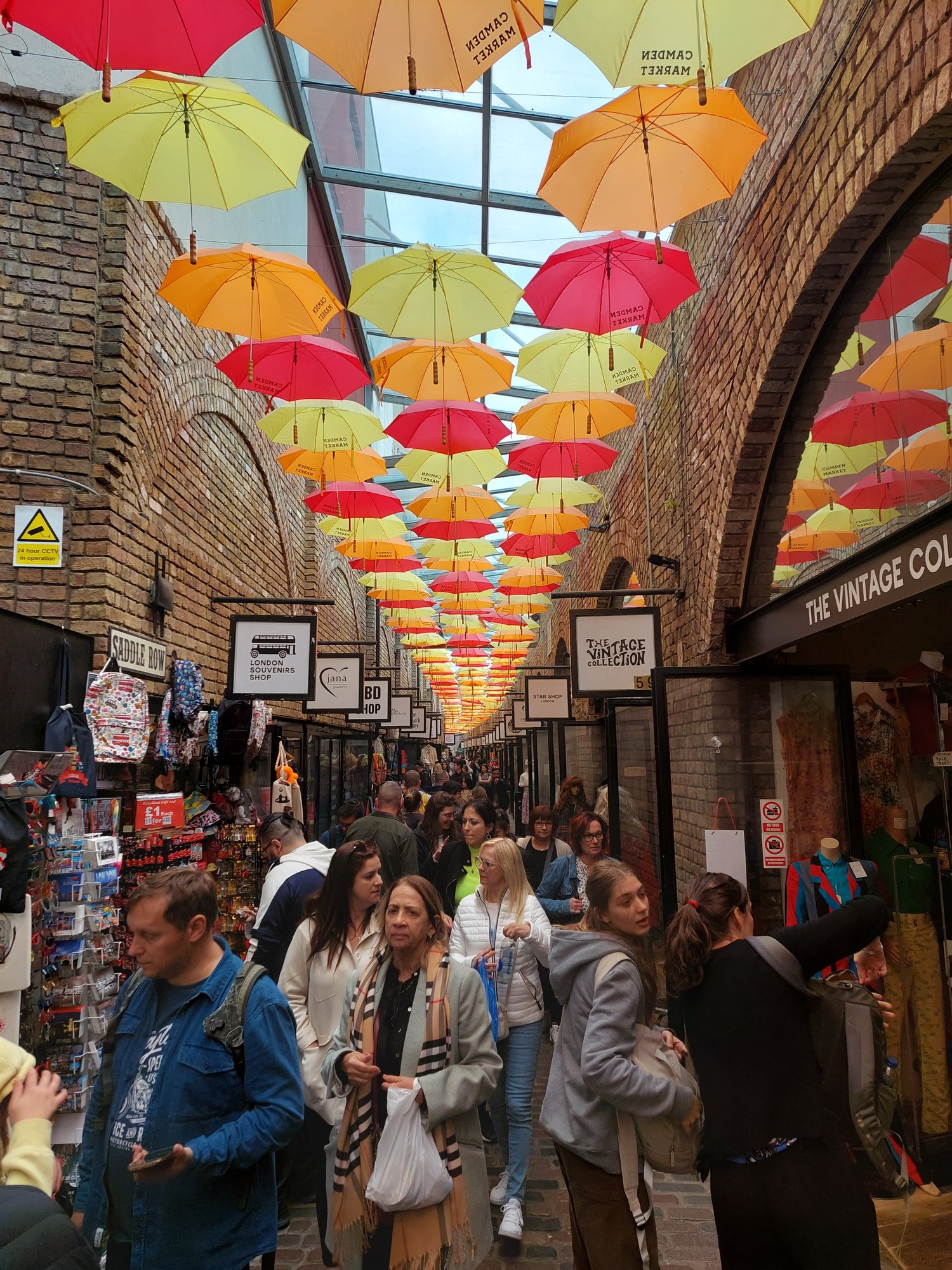
London’s story begins on the banks of the Thames, where Roman forces founded Londinium in the years following the conquest of Britain around AD 43, with a bridge and settlement typically dated to around AD 47–50. The town grew quickly into a major port and trading hub for the new province, only to be burned to the ground in AD 60 or 61 during the revolt led by Boudica, queen of the Iceni. Rebuilt in stone with a forum, basilica and eventually a defensive wall, Roman Londinium recovered to become one of the most important cities in the empire’s northern reaches, its street pattern still faintly traceable in parts of the modern City.
After Roman withdrawal, settlement shifted west to the Saxon trading town of Lundenwic, roughly around today’s Covent Garden and the Strand, before repeated Viking raids pushed Alfred the Great to re-establish a fortified settlement within the old Roman walls around 886, an event often treated as the founding of the City of London proper. The Norman Conquest of 1066 brought William the Conqueror to the throne and, soon after, the White Tower at the heart of what became the Tower of London, built as much to overawe Londoners as to defend them. Through the medieval centuries the walled City developed its own fiercely guarded identity as a self-governing centre of trade and guilds, distinct from Westminster a few miles upriver, which grew separately as the seat of the royal court and Parliament — a division between commercial City and royal Westminster that still shapes London’s geography today.
London expanded steadily under the Tudors and Stuarts as English trade and sea power grew, though the 17th century brought two catastrophes in quick succession: the Great Plague of 1665, which killed tens of thousands, and the Great Fire of September 1666, which swept through the tightly packed timber City and destroyed most of it, including old St Paul’s Cathedral. The rebuilding that followed, overseen substantially by architect Christopher Wren, gave London dozens of new parish churches and a new St Paul’s Cathedral with its instantly recognisable dome, along with wider streets and more brick-built housing intended to resist future fires.
The 18th and 19th centuries transformed London from a large European capital into the nerve centre of the British Empire and, for a time, the largest and richest city on Earth. Docks along the Thames handled cargo from every corner of the globe, the population exploded, and in 1863 the Metropolitan Railway opened as the world’s first underground passenger railway, the beginning of what Londoners would come to call simply the Tube. Waves of migration, from within Britain, Ireland and increasingly further afield, fed the city’s relentless Victorian growth and left an imprint still visible in its neighbourhoods, markets and institutions.
The 20th century brought its own trials, above all the Blitz of 1940–41, when sustained German bombing devastated large parts of the city and killed tens of thousands of Londoners, testing and ultimately confirming a resilience the city still likes to claim as part of its character. Post-war rebuilding gradually reshaped bombed-out districts, even as the docks that had built London’s fortune fell into decline through the later 20th century, their trade shifting to container ports downriver. From the 1980s onward the old docklands were reinvented as Canary Wharf, a new financial district, while the wider city consolidated its position as one of the world’s leading financial and cultural capitals — a status it underlined by hosting the 2012 Olympic Games and by becoming one of the most linguistically and culturally diverse cities on the planet, with well over 300 languages said to be spoken across its boroughs.
Did you know?
- The Underground, opened in 1863 as the Metropolitan Railway, was the world's first underground passenger railway and is still affectionately known as 'the Tube'.
- Visitors picturing Tower Bridge often call it 'London Bridge' by mistake — the actual London Bridge sits a little upstream and is a far plainer, less photogenic structure.
- The Great Fire of 1666 destroyed roughly 13,000 houses and most of the medieval City, yet only a handful of deaths were ever officially recorded.
- London's black cab drivers must pass 'The Knowledge', a notoriously demanding exam requiring them to memorise thousands of streets and landmarks within a six-mile radius of Charing Cross.
- The City of London, the historic 'Square Mile', is technically its own ceremonial county with its own Lord Mayor, boundaries and police force, distinct from the rest of Greater London.
- More than 300 languages are estimated to be spoken across London, making it one of the most linguistically diverse cities anywhere in the world.
Must-see
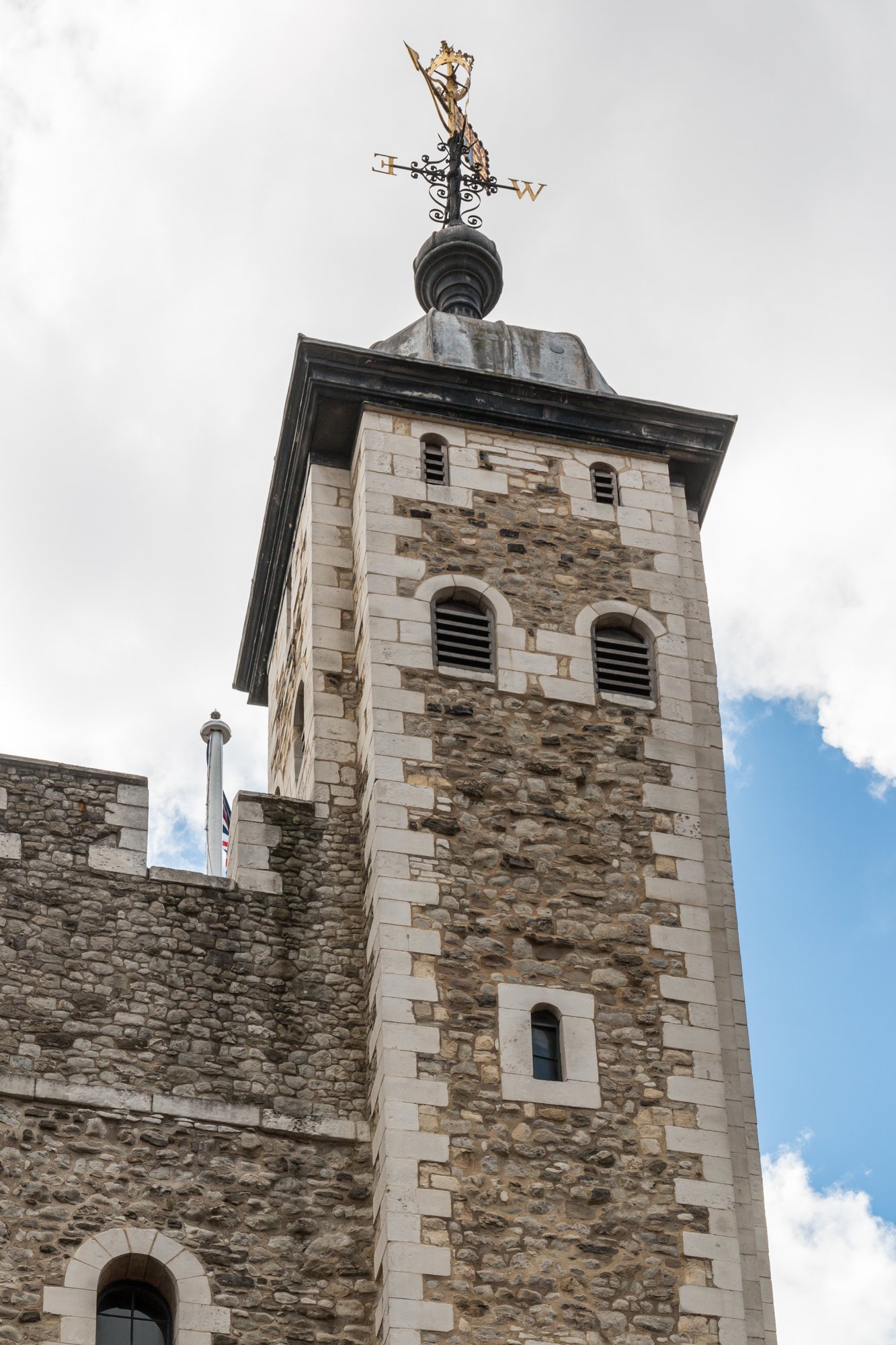
- Tower of London — England's most formidable medieval fortress, guarding the Crown Jewels behind nine centuries of royal history, imprisonment and legend.
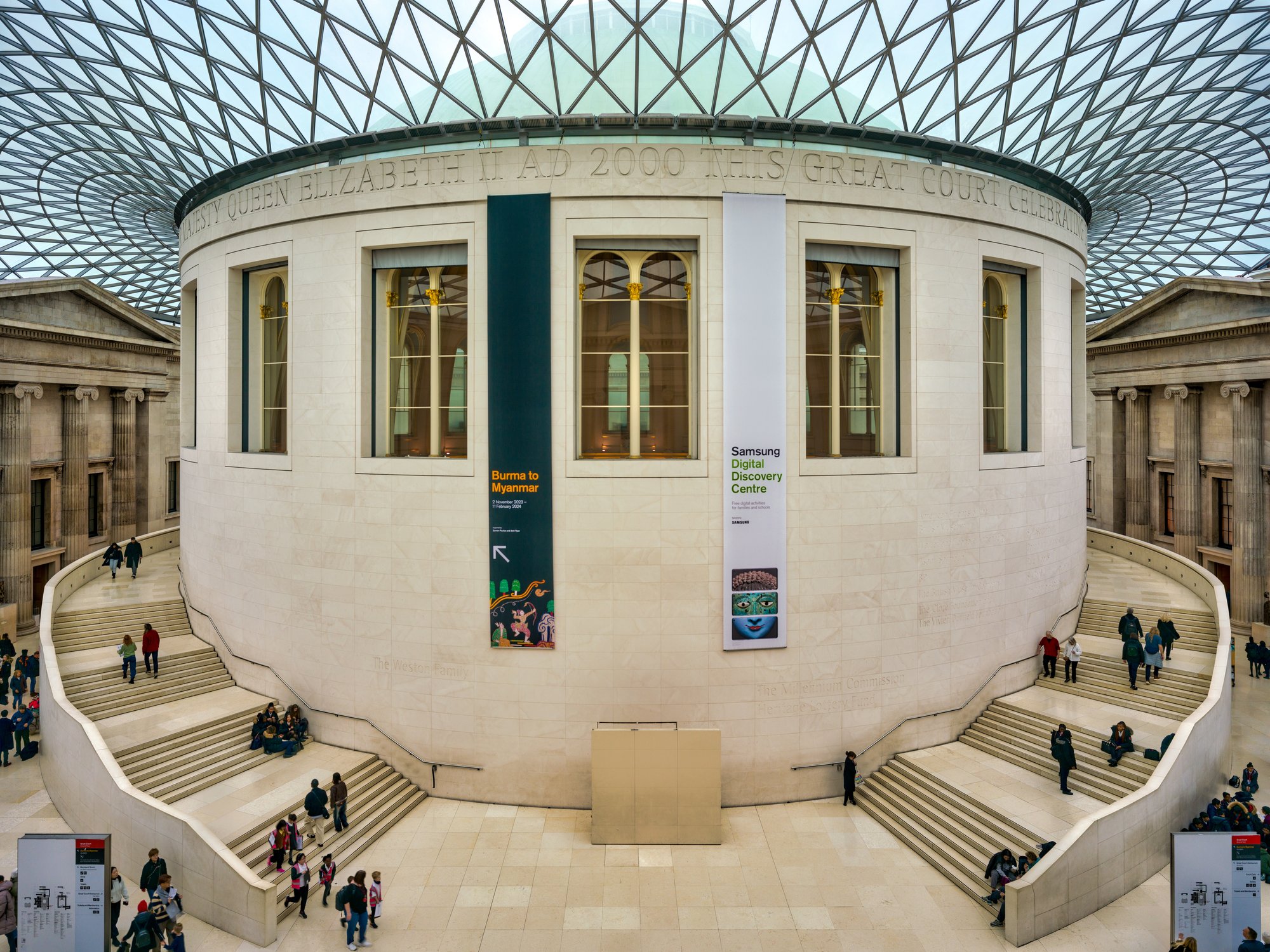
- British Museum — The world's oldest national public museum, housing eight million objects spanning two million years of human history, from the Rosetta Stone to the Parthenon Marbles.
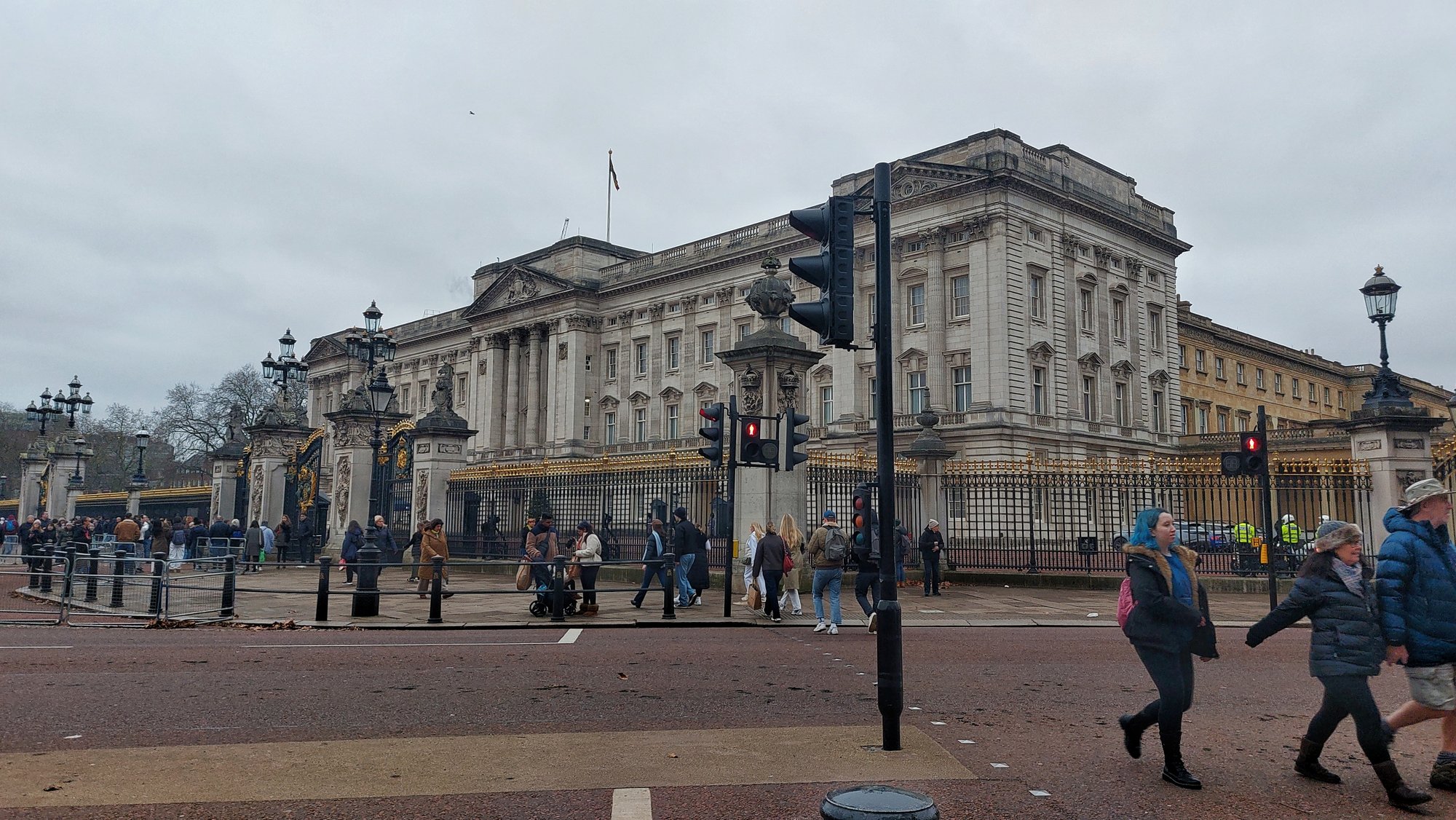
- Buckingham Palace — The monarch's official London residence since 1837, its State Rooms opened to the public each summer and its forecourt the daily stage for the Changing the Guard.
Local dishes
- Fish and chips — Battered and deep-fried white fish served with thick-cut chips, traditionally wrapped in paper and doused with salt and vinegar; still the dish most associated with British seaside and takeaway culture.
- Sunday roast — A weekly ritual of roasted meat, crisp roast potatoes, Yorkshire pudding, seasonal vegetables and gravy, served at pubs across the city every Sunday lunchtime.
- Afternoon tea — A genteel spread of finger sandwiches, scones with clotted cream and jam, and small cakes, served over pots of tea at hotels and tearooms, a Victorian tradition still very much alive.
- Curry (chicken tikka masala) — London's huge South Asian population gave the city legendary curry houses, especially along Brick Lane; chicken tikka masala, created and popularised in Britain, is often described as the nation's unofficial dish.
- Pie and mash — A working-class East End classic of minced-beef pie, mashed potato and a bright green parsley 'liquor' sauce, still served at a handful of traditional pie shops.
- Full English breakfast — A hearty plate of eggs, bacon, sausages, baked beans, grilled tomato, mushrooms and toast, the fortifying start to the day found on menus from greasy spoons to smart hotels.
Practical info
Getting around
The London Underground (the Tube) is the backbone of getting around, organised into fare zones radiating out from the centre, with the Elizabeth line and London Overground filling in useful cross-city routes. An Oyster card, or simply a contactless bank card or phone tapped in and out at gates and on buses, is the easiest way to pay and automatically caps the daily fare; the same system covers London's extensive bus network, often a scenic and cheaper alternative for shorter hops. Central London is dense and highly walkable, with many major sights within twenty minutes of each other on foot. Black cabs are metered, licensed and driven by drivers who have passed 'The Knowledge', while minicabs and ride-hailing apps like Uber offer a cheaper booked alternative; for short trips, the Santander Cycles docked bike-share scheme, still widely nicknamed 'Boris Bikes', is available across much of central London.
When to go
Spring (April to June) and autumn (September to October) bring mild temperatures, decent daylight and noticeably thinner crowds than summer, making them the most comfortable times to visit. Summer (July and August) is warm and lively but also the busiest and most expensive season, coinciding with school holidays and peak tourist numbers. December has its own appeal, with Christmas lights along Oxford Street and Regent Street, festive markets and outdoor ice rinks at venues like Somerset House and the Natural History Museum. London's weather is famously changeable in any season, with rain a possibility on almost any given day, so an umbrella and layers are sensible whenever you visit; note too that major museums and landmark attractions can feel crowded on weekends year-round, regardless of season.
Good to know
- On Tube escalators, 'mind the gap' and stand on the right if you're not walking — standing on the left blocks people trying to pass, and Londoners notice.
- Tipping isn't obligatory, but around 10–12.5% is appreciated at sit-down restaurants; check the bill first, since a 'service charge' is sometimes already included, in which case there's no need to tip again.
- Many of London's best museums — the British Museum, Tate Modern, National Gallery, V&A, Natural History Museum and Science Museum among them — are free to enter, with charges applying only to special ticketed exhibitions.
- Book tickets for major paid attractions such as the London Eye or the Tower of London online and in advance; it usually skips the queue and is often cheaper than paying on the day.